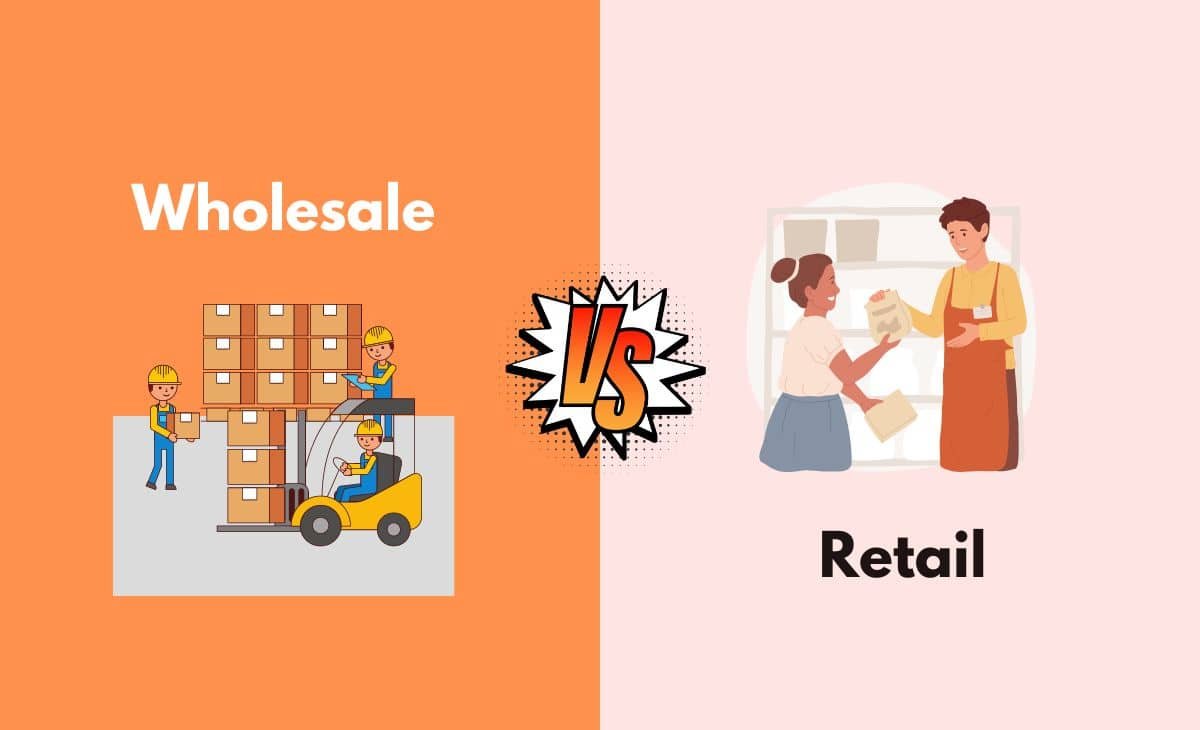
A Shopify store may sell to customers with very different buying habits.
One shopper might purchase a product occasionally, while a business customer could place larger orders every month. Giving both customers exactly the same price may seem straightforward, but it can become limiting when a store starts serving different types of buyers.
For merchants handling both retail and wholesale sales, the challenge is finding a pricing structure that works for each without making everyday store management complicated.

Retail and Wholesale Customers Buy Differently
Retail customers usually purchase products individually at the standard store price. Their order sizes and buying frequency can vary.
Wholesale customers typically purchase larger quantities or order regularly for their own business. Their relationship with the seller may also involve agreed rates or ongoing purchasing arrangements.
Consider a Shopify skincare store that sells directly to consumers and also supplies salons.
A regular customer may buy one bottle of serum occasionally. A salon could order the same product in larger quantities every month for use with its clients.
The product hasn't changed, but the business relationship has. That difference can make a single pricing approach difficult to maintain.


Common Pricing Challenges for Shopify Stores
Wholesale buyers may expect different rates
Larger or recurring orders can come with different pricing expectations. When these arrangements are handled manually, merchants have to keep track of who receives a special rate and when it applies.
Storewide discounts aren't always suitable
A promotion for retail shoppers may not be the right way to handle wholesale pricing.
For example, a merchant may want to give a negotiated rate to a particular business customer without reducing the price for everyone visiting the store.
Manual adjustments become harder to track
When only a few customers have special arrangements, manual updates may seem manageable.
But as the number of wholesale accounts grows, using spreadsheets, notes, or repeated price changes can make everyday pricing management more complicated.
More customer groups mean more pricing rules
A store may eventually serve retail shoppers, wholesalers, resellers, VIP customers, or long-term business clients.
Each group may have different requirements. Without a clear system, managing those differences can take unnecessary time.
Retail Pricing vs Wholesale Pricing
Retail and wholesale pricing serve different purposes.
Retail pricing is generally the standard price offered to individual shoppers.
Wholesale pricing is often structured around larger quantities, recurring orders, or an ongoing business relationship.
The difference doesn't always mean that every wholesale customer should receive the same reduction. Instead, the business can establish pricing that fits its particular customer arrangements.
Why Customer-Specific Pricing Can Be Useful
When only selected customers need different rates, changing the public product price isn't always practical.
A customer-specific approach allows merchants to keep their regular retail pricing while applying separate rates where needed.
This can be useful for stores that want to:
- Maintain standard pricing for retail shoppers
- Provide agreed rates to wholesale customers
- Support VIP or repeat-customer pricing
- Keep different customer groups organized
- Reduce repeated manual price changes
The purpose isn't to make pricing more complicated. It is to avoid forcing every customer into the same pricing structure when their buying relationship is different.
Keeping Pricing Under Control as the Store Grows
Pricing requirements can change as a Shopify business grows.
A store that originally served only individual shoppers may later begin working with salons, boutiques, resellers, or other businesses. What was once a simple pricing setup can become harder to manage manually.
Having a structured way to handle customer-specific rates can help merchants keep these arrangements organized without constantly changing the store's standard prices.
Managing Different Customer Prices on Shopify
For merchants with multiple customer pricing requirements, a dedicated Shopify solution can simplify the process.
MarginMate helps Shopify stores manage customer-specific pricing along with loyalty programs. It allows merchants to set pricing arrangements for selected customers or customer groups instead of relying only on storewide discounts.
This gives businesses more control over how they handle retail, wholesale, VIP, and other customer relationships while keeping their regular store pricing in place.
Conclusion
A single price can work well when a Shopify store serves one straightforward customer group.
But once retail and wholesale sales are part of the same business, customers may have different purchasing patterns, order sizes, and commercial relationships.
Rather than changing prices manually or applying broad discounts, merchants can use a more structured approach for customers who need different rates.
The goal is simple: keep everyday retail pricing clear while making room for the customer relationships that require something different.
FAQs
1. What is retail pricing?
Retail pricing is the standard price a store offers to individual customers purchasing products for personal use.
2. What is wholesale pricing?
Wholesale pricing is generally used for business customers purchasing larger quantities or maintaining an ongoing purchasing relationship with a seller.
3. Is wholesale pricing the same as a discount?
No. A discount is often a temporary promotion, while wholesale pricing can be part of an ongoing arrangement with a particular customer or customer group.
4. Why can't a storewide discount handle wholesale pricing?
A storewide discount affects all eligible shoppers. A merchant may instead want to give a specific business customer a different rate while keeping the normal retail price unchanged.
5. When should a Shopify store consider customer-specific pricing?
It can be useful when a store has wholesale buyers, VIP customers, resellers, or other customers with agreed pricing arrangements that differ from the standard retail price.
Make Customer Pricing Easier to Manage
Need more flexibility than a single storewide price can offer?
Explore MarginMate and manage customer-specific pricing and loyalty in one place.
Learn more about MarginMate →
https://task19.com/shopify-apps/marginmate